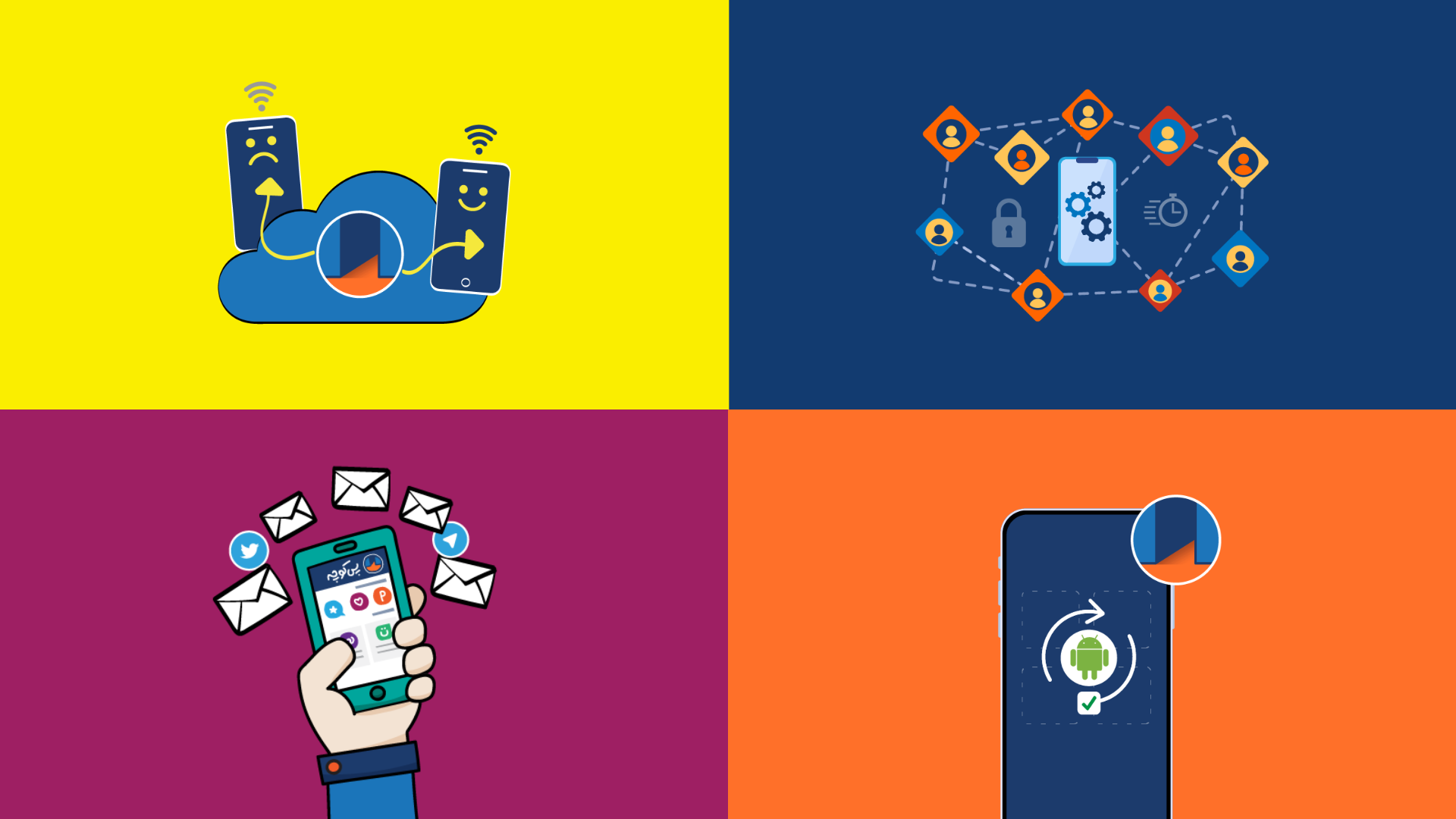
Access alone is not enough. Technology is only useful if people trust it, understand how to use it safely, and can rely on support networks when digital spaces become unstable or dangerous. ASL19's Paskoocheh helps people in Iran access trusted privacy and circumvention tools when websites and apps, VPNs, and app stores themselves are blocked.
The digital threats faced by defenders of truth and democracy are multiplying. So should the capacity to respond to them. Through tools like Ricochet Refresh and cybersecurity training across lower- and middle-income countries, Blueprint for Free Speech helps people communicate anonymously, protect sensitive information, and continue public-interest work more safely.
Tor is strongest when the broader internet freedom ecosystem is healthy. A coalition of privacy, internet freedom, cryptocurrency and open-source ecosystems, led by the Tor Project and Funding the Commons, is supporting critical digital infrastructure with a new participatory funding campaign.
Handling mobile media that documents human rights violations can put those brave enough to capture a record -- and those very records -- at risk. OpenArchive's free open source Save app and DWeb Storage help communities securely archive, verify, and encrypt this documentation without depending on centralized platforms that can remove, lose, or expose sensitive data at a moment's notice.
Anti-censorship tools are only as powerful as their ability to keep running. When the door to the open internet gets slammed shut, Unredacted builds another one.
Fighting internet censorship requires more than noticing when it happens. It requires documenting it, sharing evidence, and building the collective capacity to respond. OONI makes that possible.
The Tor Project is deeply saddened by the last-minute cancellation of RightsCon 2026. While canceling may have been necessary to protect participants, the circumstances behind it underscore the urgent fight against censorship, surveillance, and restrictions on civic participation. Tor stands in solidarity with RightsCon, Access Now, local organizers, and civil society in Zambia and across the region, and remains committed to building tools that help people communicate freely, safely, and privately.
Human rights are upheld by people, communities, and technologies that adapt to a changing world. Here's what that looks like for Tor as we head into the next year.
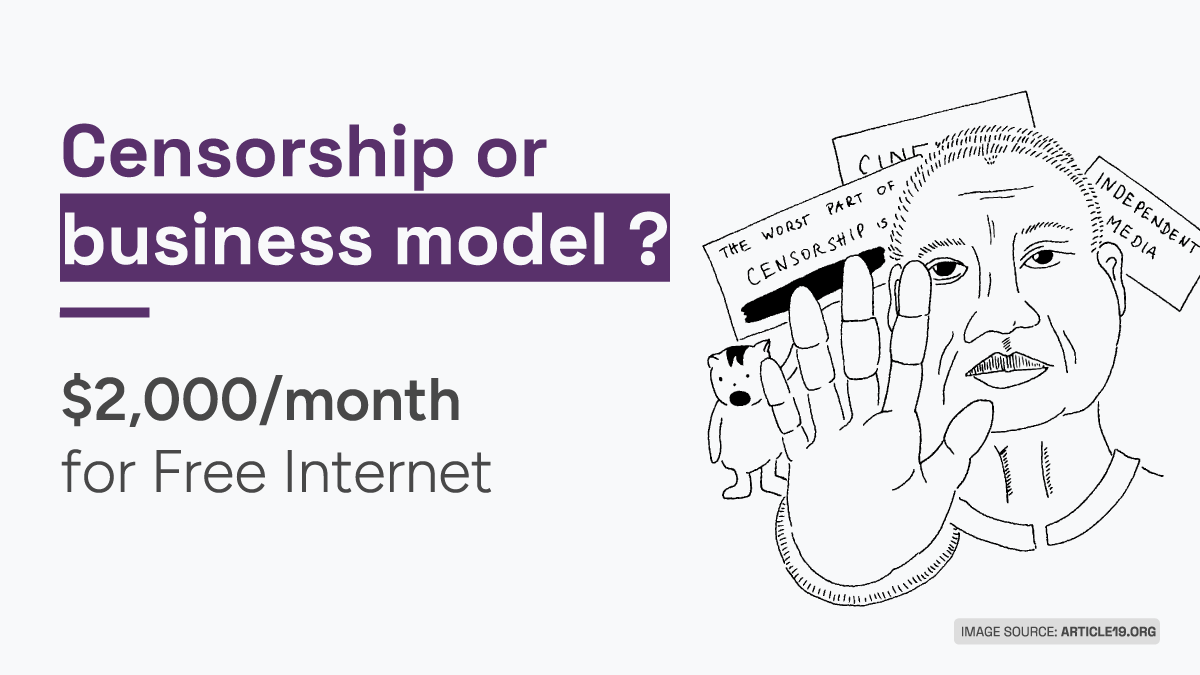
In Turkmenistan, one of the most isolated regimes in the world, internet censorship has evolved beyond surveillance and control. In an Orwellian twist, the people blocking access to the internet are the same ones secretly selling it back, at a price most Turkmens can't afford.